

Last Updated on September 9, 2026
Planning your wedding involves countless choices, and deciding how to share your ceremony details is one of them. You might be wondering whether printed or digital wedding programs are the better option for you.
Each choice has its own benefits and challenges that could impact your guests’ experience and your big day’s flow. By understanding the key differences, you can pick the option that fits your style, budget, and convenience perfectly. Keep reading to discover which wedding program will make your ceremony unforgettable for you and your guests.
Printed Wedding Programs
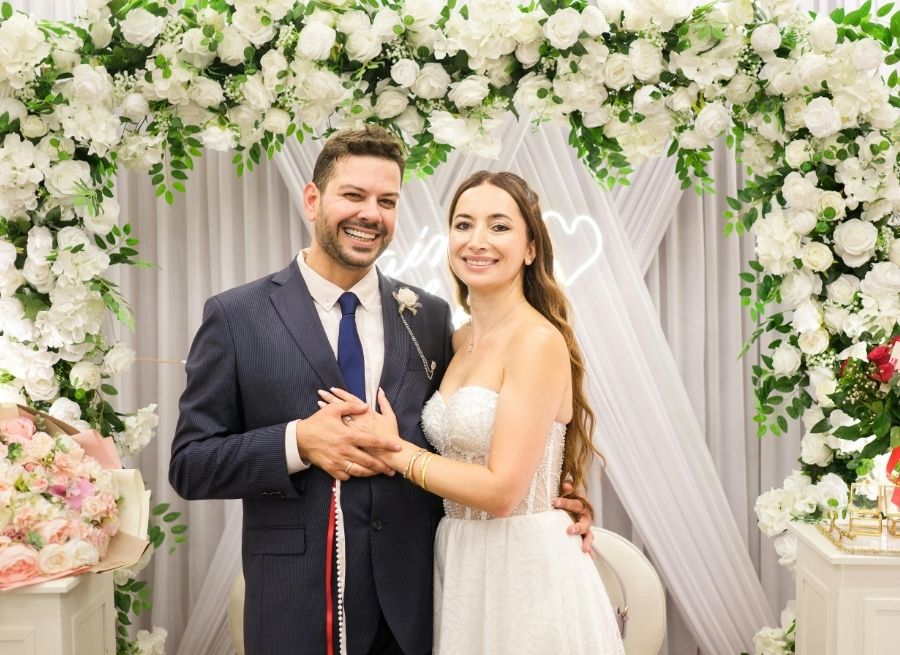
Printed wedding programs give a classic touch to your ceremony. They help guests follow the order of events easily. These programs also serve as keepsakes from your special day. Many couples choose printed programs to add a personal and elegant feel.
Printed programs offer many choices in style and design. Let’s explore the key aspects of printed wedding programs.
Design Options And Styles
Printed programs come in many designs. You can choose from traditional, modern, or rustic styles. Some programs fold like booklets, while others are single cards. Colors and fonts can match your wedding theme. Images or illustrations add a unique touch.
Material And Paper Choices
Paper quality affects the look and feel of your programs. Options include matte, glossy, or textured finishes. Thick cardstock feels sturdy and high-quality. Recycled paper suits eco-friendly weddings. Specialty papers add luxury but may cost more.
Customization And Personalization
Printed programs can include your names, date, and venue. You can add a thank-you note or special message. Some couples include photos or poems. Personal details create a meaningful keepsake. Custom programs reflect your personality and style.
Cost Considerations
Printed programs cost more than digital versions. Prices depend on paper, design, and quantity. Simple programs with fewer pages cost less. More complex designs and heavy paper raise the price. Ordering in bulk often lowers the cost per unit.
Environmental Impact
Printed programs use paper and ink, impacting the environment. Choosing recycled or FSC-certified paper helps reduce harm. Avoid excess printing to minimize waste. Some couples recycle leftover programs after the event. Consider eco-friendly printing options to lower your footprint.
Distribution And Handling
Printed programs need to be distributed before or during the ceremony. Ushers or family members can hand them out. They must be printed well ahead of time. Keep programs in a dry place to avoid damage. Proper handling ensures guests receive clean, neat copies.
Digital Wedding Programs
Digital wedding programs are modern alternatives to traditional printed versions. They use technology to share event details with guests. Couples can send these programs via email or social media. Guests can view them on phones, tablets, or computers. This format offers flexibility and new ways to engage attendees.
Formats And Platforms
Digital programs come in many formats like PDFs, websites, and apps. Couples choose platforms based on ease of use and guest preferences. Some use simple PDFs for quick access. Others create dedicated wedding websites or apps. These platforms allow easy updates and customization.
Interactive Features
Digital programs can include videos, music, and clickable links. Guests can watch a welcome message or listen to the couple’s favorite song. Links can direct to maps, registries, or social media pages. These features make the program more engaging and personal.
Ease Of Sharing
Sharing digital programs is fast and simple. Couples can email the program or send it via messaging apps. Guests receive it instantly, even if they live far away. No need to worry about printing or mailing delays. It also makes last-minute changes easy to share.
Cost And Budget
Digital programs reduce printing and paper costs. Couples save money on design, ink, and shipping. Many platforms offer free or low-cost options. Budget-friendly for weddings of all sizes. Savings can be redirected to other important wedding expenses.
Environmental Benefits
Choosing digital programs helps reduce paper waste. It lowers the demand for ink and printing materials. Less trash means a smaller environmental footprint. Eco-conscious couples prefer digital to support sustainability. It is a simple way to be greener on the big day.
Technical Challenges
Some guests may have trouble accessing digital programs. Not everyone is comfortable with technology or smartphones. Internet access can be unreliable in certain locations. Couples should provide clear instructions and backup options. Testing the program on various devices is important too.
Comparing Printed And Digital
Choosing between printed and digital wedding programs affects many parts of your big day. Each option offers unique benefits and challenges. Understanding these can help you pick the best fit for your celebration.
Guest Experience
Printed programs offer a tangible keepsake guests can hold. They provide clear guidance on the ceremony order. Digital programs require devices, which some guests may find tricky. Printed versions work well for all ages. Digital programs can include interactive features and updates.
Accessibility And Convenience
Printed programs are easy to distribute at the venue. Guests do not need internet or special apps. Digital programs can be accessed anytime, anywhere. They are useful for guests who miss the ceremony. Digital copies are easy to share with distant friends.
Aesthetic Appeal
Printed programs allow for detailed designs and textures. You can choose paper types and colors to match your theme. Digital programs may lack physical charm but can include animations. They offer flexibility in layout and style changes. Printed versions feel more formal and traditional.
Budget Impact
Printed programs involve printing and material costs. Prices rise with quality and quantity. Digital programs mainly cost time and software tools. They can reduce overall wedding expenses. Printed versions may increase your budget significantly.
Sustainability Factors
Printed programs use paper and ink, impacting the environment. They can create waste if guests discard them. Digital programs reduce paper waste and carbon footprint. They support eco-friendly wedding choices. Sustainability is a growing concern for many couples.
Choosing The Right Program
Choosing the right wedding program can shape your ceremony’s experience. It guides your guests through the event, making the day smoother and more enjoyable. Your choice depends on many factors, including style, guests, and venue. Understanding these helps you pick the best option for your special day.
Considering Your Wedding Style
Your wedding style sets the tone for your program choice. A classic, formal wedding suits printed programs with elegant designs. A modern or casual event may benefit from digital programs that match the tech-savvy vibe. Think about colors, fonts, and overall feel to keep everything consistent.
Guest Demographics
Think about your guests’ ages and tech comfort levels. Older guests might prefer printed programs they can hold and keep. Younger guests may enjoy digital versions on their phones or tablets. Knowing your crowd helps ensure everyone can follow the ceremony easily.
Venue And Setting
The location influences which program works best. Outdoor weddings may face wind, making printed programs tricky. Digital programs can avoid this problem but require good Wi-Fi or signal. Indoor venues often support both options well, so consider the space carefully.
Personal Preferences
Your taste matters most. Do you like the feel of paper or the ease of digital? Printed programs offer a keepsake to remember the day. Digital programs reduce waste and can include interactive features. Choose what feels right for you and your partner.
Hybrid Approaches
Combining printed and digital programs offers the best of both worlds. Provide printed copies for older guests or those who prefer paper. Share digital versions via email or a wedding app for tech-friendly attendees. This balance covers all needs and keeps everyone happy.
Tips For Designing Wedding Programs
Designing wedding programs can be fun and rewarding. They guide guests through the ceremony and add a personal touch. Careful planning ensures your program looks great and shares all key details. Focus on clear, simple design to keep guests informed and engaged.
Essential Information To Include
Start with the basics: names of the couple, date, and venue. List the order of events clearly. Include names of important participants like officiants, readers, and musicians. Mention any special rituals or traditions. Keep the text brief but complete.
Design Consistency
Match your program style with your wedding theme and colors. Use similar patterns and images throughout. Consistent design creates a polished, professional look. Choose a layout that flows naturally from start to finish. Balance text and blank space for easy reading.
Font And Readability
Pick simple fonts that are easy to read. Avoid fancy or overly decorative typefaces. Use font sizes large enough for guests of all ages. Stick to one or two fonts to keep the design clean. Dark text on a light background works best.
Incorporating Personal Touches
Add photos or quotes that mean something to you. A short note from the couple can feel warm and welcoming. Use symbols or colors that reflect your culture or story. Personal details make the program unique and memorable. Keep these touches small to avoid clutter.
Proofreading And Final Checks
Check spelling and grammar carefully. Ask someone else to review for mistakes. Confirm all names and dates are correct. Print a test copy to see how it looks on paper. Make sure the program folds or fits nicely in holders.
Frequently Asked Questions
What Are The Main Differences Between Printed And Digital Wedding Programs?
Printed programs are physical papers guests hold, while digital ones are viewed on phones or tablets. Printed feels traditional; digital is eco-friendly and easy to share.
Which Wedding Program Option Is Better For Guest Engagement?
Printed programs give guests something tangible to follow the ceremony. Digital programs can include interactive features, making the experience more dynamic.
How Do Printed And Digital Wedding Programs Affect The Wedding Budget?
Printed programs require costs for paper and printing. Digital programs often save money but may need some setup or app fees.
Can Digital Wedding Programs Replace Printed Ones Completely?
Digital programs can replace printed ones but not all guests prefer screens. Some older guests may find printed programs easier to use.
What Environmental Impact Do Printed And Digital Wedding Programs Have?
Printed programs use paper and ink, which affect the environment. Digital programs reduce waste but need electricity and devices to access.
Conclusion
Choosing between printed and digital wedding programs depends on your style and needs. Printed programs offer a classic, tangible keepsake for guests. Digital programs save paper and are easy to update or share online. Both options help guests follow the ceremony smoothly.
Think about your budget, guest preferences, and the wedding theme. Either way, your wedding program adds a special touch to the big day. Make sure it fits your vision and helps everyone enjoy the celebration. Simple, clear, and thoughtful—that’s what matters most.
