
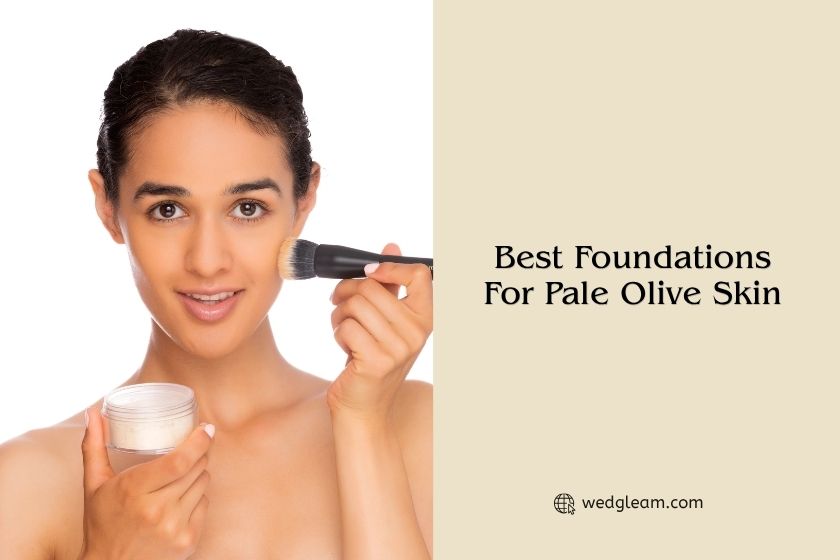
Finding the right match for pale olive skin is a common challenge. Many standard foundations lean too pink or too orange, missing that distinct green or neutral undertone you need. This guide looks at the Best Foundations For Pale Olive Skin to help you find a seamless match. These listings were compared based on their own listed specs to help you decide which one suits your daily routine best.
Our Picks
1. ESPOIR Be Velvet Cushion Foundation #23.5 Fair Olive

Best for: People wanting a quick, portable, airbrushed finish.
The Espoir Be Velvet Cushion stands out because it was developed specifically to address olive skin tones. It uses a cushion format that makes application very fast, as you don’t need to worry about measuring out liquid foundation. The velvety smooth finish provides a soft-focus look that feels breathable on the skin.
This foundation is designed to resist oxidation, meaning your color stays true throughout the day without darkening. It offers full coverage that hides redness and uneven skin tones quite well.
Pros
- Vegan certified and cruelty free.
- Resists oxidation for long-lasting color.
- Provides a smooth, airbrushed complexion.
Cons
- May not suit those preferring pump-bottle liquids.
2. aboutface about-face The Performer Foundation

Best for: Those who want a hydrating, skin-nourishing base.
The aboutface about-face The Performer Foundation focuses on a natural, second-skin finish. It’s a hydrating formula that includes ingredients like Blue Agave to help plump the skin. This makes it a solid choice if you want your makeup to provide a bit of extra moisture while you wear it.
The formula is buildable, so you can choose how much coverage you need without it feeling heavy or cakey. It contains Vitamin-rich Chlorella to support the skin barrier.
Pros
- Contains skin-nourishing ingredients like Blue Agave.
- Offers a natural, second-skin finish.
- Buildable coverage that feels lightweight.
Cons
- Not intended for those seeking heavy, matte coverage.
3. Mineral Fusion Liquid Foundation

Best for: Individuals with normal to oily skin types.
The Mineral Fusion Liquid Foundation is a great choice if you prefer a matte finish and clean ingredients. It uses a blend of Aloe Vera and Lavender to soothe the skin, which is helpful if you deal with sensitivity. It’s also non-comedogenic, making it a reliable option for those prone to breakouts.
Pros
- Non-comedogenic formula for oily skin.
- Free from talc, parabens, and synthetic fragrances.
- Soothing ingredients like Aloe Vera and Lavender.
Cons
- Matte finish may not suit dry skin.
4. Mehron Makeup CreamBlend Stick

Best for: Those needing high-pigment, versatile professional coverage.
The Mehron CreamBlend Stick is a professional-grade product packed with superior pigments. Because it’s a cream-based stick, it’s highly versatile and can be used for everything from daily beauty to stage or cosplay makeup. It’s infused with Vitamin E and Aloe Vera, which helps keep the formula comfortable to wear.
You can easily build up the coverage to your desired level, and it’s known for being very blendable. It’s an excellent choice for anyone who needs a product that stays put through long days.
Pros
- Highly pigmented and buildable cream formula.
- Versatile for beauty, stage, and professional use.
- Infused with skin-friendly Vitamin E and Aloe.
Cons
- High pigment level may feel heavy for some.
Choosing the Best Foundation for Pale Olive Skin
Understanding Undertones
Olive skin is unique because it sits between neutral and warm, often with a slight green or greyish cast. When choosing a foundation, look for words like “olive” or “neutral-olive” in the description. Avoid shades that look too pink, as they will clash with your natural skin tone. The best match will disappear into your skin rather than sitting on top of it.
Choosing Your Finish
The finish determines how your skin looks in different lights. A matte finish works well for oily skin, while a hydrating or velvety finish is often better for normal or dry skin. Think about your environment; if you spend all day in a dry office, a hydrating base will keep your skin looking fresh. If you live in a humid area, a long-wear formula that resists oxidation is your best friend.
Considering Application
How you apply your makeup matters. Cushion foundations are perfect for travel or quick touch-ups on the go. Liquid foundations usually allow for more precise blending with a brush or sponge. Stick foundations offer the most control for spot-concealing or building heavy coverage. Choose the format that fits your morning routine speed and your personal comfort level with application tools.
Checking Ingredients
Always look for ingredients that support your skin type. If you have sensitive skin, look for soothing agents like Aloe Vera. If you want anti-aging benefits, look for products with peptides or antioxidants. Being mindful of what is in your foundation ensures your skin stays healthy while you cover imperfections. Avoid products with ingredients that have historically caused you irritation or breakouts.
Mistakes to Avoid When Choosing Foundation
Ignoring Oxidation
Many foundations change color after they dry, a process called oxidation. This can turn a perfect olive shade into an orange mess after a while. Test your foundation by applying it to your jawline and waiting for a short period to see if the color shifts. If it darkens or turns orange, it isn’t the right match for your skin. True-to-tone formulas are essential for olive complexions.
Choosing the Wrong Texture
A common mistake is picking a foundation based on a trend rather than your skin type. If you have dry skin, a heavy matte foundation will settle into fine lines and look flaky. If you have oily skin, a dewy, hydrating formula might slide off by midday. Always match the formula texture to your specific skin needs to ensure the makeup lasts all day without looking cakey.
Overlooking Coverage Needs
Buyers often buy a full-coverage foundation when they only need light evening coverage. If you have clear skin, a heavy formula can look unnatural and mask your natural glow. Conversely, if you have significant redness or blemishes, a sheer tint won’t be enough. Be honest about how much you need to cover and select a buildable formula that lets you control the result.
Skipping the Undertone Match
The biggest mistake is focusing only on the “depth” of the shade (light, medium, dark) and ignoring the undertone. A light foundation that’s too pink will make you look grey or sickly if you have olive skin. Always prioritize the undertone match over the depth.
FAQ
How can I tell if I have olive skin? Olive skin often has a greenish or golden-grey undertone. If you find that most foundations look too pink or too orange on you, you likely have olive undertones.
Can I use a green color corrector with my foundation? This is a great trick if you struggle to find the perfect shade.
What is the difference between a cushion and a liquid foundation? A cushion foundation is a sponge soaked in liquid that you press into with a puff, making it very portable and easy to apply. A liquid foundation usually comes in a bottle or pump and is typically applied with a brush or beauty sponge.
How do I keep my foundation from looking cakey? Applying a thin, even layer and building it up only where you need it helps avoid a cakey look. Using a damp beauty sponge to press the product into the skin rather than rubbing it can also ensure a smoother, more natural finish.
Conclusion
Selecting the right foundation for pale olive skin comes down to finding the correct undertone and a formula that matches your skin’s hydration needs. By focusing on products designed specifically for olive tones, you can achieve a natural, seamless look that stays fresh all day.
Final Thoughts
Finding your perfect shade doesn’t have to be a struggle anymore. Once you’ve narrowed down your top choices, head to a local beauty counter to test them in natural daylight. It’s the best way to see how they truly blend with your skin, so don’t be afraid to ask for a sample.
