
Finding the right base when you have rosacea can feel like a guessing game, especially when you’re over 50. You need products that calm redness without settling into fine lines or feeling heavy. This guide to the best foundations for rosacea over 50 will help you choose a formula that balances coverage with skin-loving ingredients. We have compared the top options to help you make a confident choice for your daily routine.
The Winners
1. Clinique Redness Solutions Liquid Foundation Makeup Broad Spectrum SPF 15
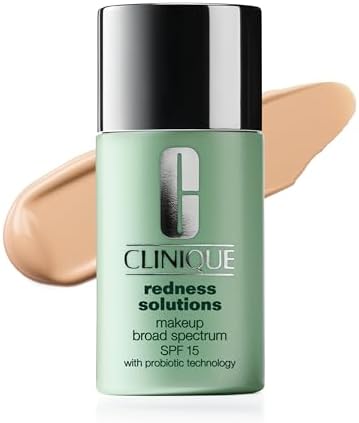
Best for: Those who need targeted redness neutralization.
This foundation uses yellow and green pearls to counteract red tones, which is a big help for anyone struggling with constant flushing. Because it is 100% fragrance-free and allergy-tested, it’s a safe bet for reactive, sensitive skin that usually flares up with standard makeup.
The formula provides moderate coverage that leaves a perfected look without feeling like a mask. It’s an excellent choice for daily wear, though it might not be the best fit if you require heavy, full-coverage camouflage for significant skin concerns.
Pros
- Neutralizes red tones effectively.
- Includes SPF for sun protection.
- Fragrance-free for sensitive skin.
Cons
- Moderate coverage only.
2. IT Cosmetics Bye Bye Redness Neutralizing Correcting Cream -Porcelain Beige
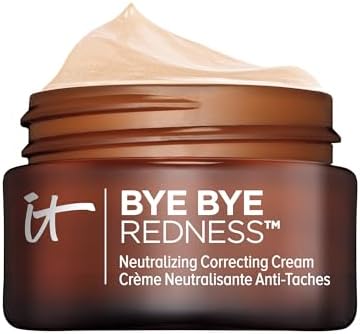
Best for: Achieving full-coverage camouflage for rosacea.
This cream is packed with soothing ingredients like colloidal oatmeal and aloe, which help calm the skin while you wear it. Its full-coverage formula is designed to hide even the most stubborn redness or broken capillaries, making it a powerful tool for a flawless complexion.
You can wear this alone or under other products, giving you a lot of flexibility in your routine. The listing doesn’t mention the density of the formula.
Pros
- Excellent full-coverage results.
- Contains soothing skincare ingredients.
- Non-comedogenic and dermatologist tested.
Cons
- Can feel heavy on skin.
3. LAURA GELLER Baked Balance-n-Brighten Powder Foundation

Best for: Mature skin that dislikes liquid formulas.
This powder is artisan-baked for 24 hours in Italy, which gives it a unique, silky texture that won’t look cakey. It’s specifically designed to work with mature skin, meaning it won’t settle into fine lines or wrinkles, a common frustration with liquid foundations.
The marbleized pigments self-adjust to your skin tone as you blend, which makes finding your shade much easier.
Pros
- Doesn’t settle into lines.
- Self-adjusting color pigments.
- Safe for rosacea-prone skin.
Cons
- May emphasize dry patches.
4. IT Cosmetics CC+ Cream with SPF 50+

Best for: A multi-tasking serum and foundation hybrid.
This cream combines full-coverage foundation with an anti-aging serum and high SPF protection. It’s perfect if you want to streamline your morning routine by combining your skincare, sun protection, and color correction into one step.
The inclusion of hyaluronic acid and peptides helps keep the skin looking plump and hydrated throughout the day.
Pros
- High SPF 50+ protection.
- Infused with anti-aging serum.
- Buildable, natural-looking coverage.
Cons
- Dewy finish may shine.
5. L’Oreal Paris Age Perfect Radiant Serum Foundation with SPF 50

Best for: Those who want a radiant, hydrated finish.
This foundation is formulated specifically for mature skin, using Vitamin B3 and a hydrating serum to keep the face looking fresh. It provides lightweight coverage that illuminates the complexion, making it great for a “lit-from-within” glow.
The added SPF 50 is a massive bonus for protecting aging skin from sun damage.
Pros
- Hydrating serum-based formula.
- High SPF 50 protection.
- Radiant, non-settling finish.
Cons
- Light coverage strength.
6. bareMinerals BAREPRO Pressed Powder Foundation

Best for: All-day oil control and a matte look.
If you struggle with shine, this matte pressed powder offers 24-hour oil control and stays put through humidity. It’s clinically proven to improve the look of pores and texture, which is a great long-term benefit.
The formula is breathable and lightweight, so it feels like you’re wearing nothing at all.
Pros
- Long-lasting matte finish.
- Improves pore appearance.
- Waterproof and transfer-resistant.
Cons
- Matte finish can be drying.
7. Alleyoop Sunsational Tinted Mineral Sunscreen

Best for: Quick, minimal makeup days.
This is a 3-in-1 product that acts as your moisturizer, sunscreen, and light makeup base. It’s perfect for those days when you want to look put-together without the effort of a full face of heavy foundation.
The mineral SPF 50 is gentle and effective for sensitive skin, while the niacinamide helps to brighten your complexion. The listing doesn’t mention the extent of its coverage for strong redness or dark spots.
Pros
- Lightweight, second-skin finish.
- Includes soothing niacinamide.
- Fragrance-free and vegan.
Cons
- Very sheer coverage.
Choosing the Best Foundation for Rosacea Over 50
Sun Protection
For skin over 50, sun protection is essential. Look for formulas that include at least SPF 30, ideally SPF 50, to prevent further irritation and damage. Mineral sunscreens containing zinc oxide or titanium dioxide are often gentler on rosacea-prone skin than chemical filters.
Hydration Needs
As we age, our skin loses moisture. Avoid formulas that cling to dry patches. Look for hydrating ingredients like hyaluronic acid, glycerin, or jojoba oil. These help the foundation sit smoothly on the skin without highlighting fine lines.
Coverage Levels
Decide if you need to cover significant redness or just even out your skin tone. Full-coverage creams are better for hiding broken capillaries, while lightweight tints or powders are better for a natural, everyday look. Choose based on your specific daily needs.
Finish Preferences
Do you want a matte look or a radiant glow? Matte formulas are better for controlling oil, while radiant formulas can make mature skin look more youthful and less dull. Pick the finish that makes you feel most confident.
Narrow your choice by thinking about your daily routine. If you’re busy, a multi-tasking product is best. If you have specific skin concerns, prioritize formulas with soothing, clinical-grade ingredients.
Mistakes to Avoid When Choosing Foundation
Choosing the Wrong Texture
A big mistake is picking a heavy, thick foundation when your skin is dry or has fine lines. Instead, opt for lightweight, serum-based foundations or finely milled powders that move with your skin throughout the day.
Ignoring Ingredient Lists
Many people buy foundations without checking if they contain potential irritants like synthetic fragrances. For rosacea, fragrance-free options are almost always safer. Always look for soothing ingredients like aloe, colloidal oatmeal, or niacinamide to help calm your skin while you wear your makeup.
Skipping Prep
Even the best foundation will look bad on unprepared skin. Always cleanse and moisturize before applying your base.
Forgetting SPF
Some foundations offer coverage but no sun protection. Since UV rays can trigger rosacea flares, ensure your foundation includes a high SPF or layer it over a dedicated sunscreen. Consistency is key for protecting your skin long-term.
Focus on your skin’s health first. By avoiding heavy, irritating products and ensuring your base is well-hydrated, you can achieve a smooth, comfortable, and beautiful look every day.
FAQ
Can I wear powder foundation if I have rosacea?
Yes, but look for finely milled, non-drying formulas. Baked powders are often excellent for mature skin because they don’t look cakey or settle into lines.
Should I use a color corrector before my foundation?
It’s optional. Some foundations are already color-correcting, which can save you a step. If your redness is very intense, a dedicated green-tinted primer can help before you apply your base.
Does SPF in foundation provide enough protection?
It can, provided you apply enough of the product. If you don’t wear much foundation, it’s better to use a dedicated sunscreen underneath to ensure you get the full SPF benefit.
How do I stop my foundation from creasing?
Avoid applying too much product at once and ensure your skin is well-moisturized. Using a setting powder in areas where you crease can also help keep things in place.
Conclusion
The best foundation for you depends on your coverage needs and how your skin reacts to different textures. By prioritizing soothing ingredients and sun protection, you can find a product that makes your skin look and feel its best.
Final Thoughts
Choosing the right product doesn’t have to be overwhelming. Once you’ve picked a formula that feels comfortable, try wearing it for a few days to see how your skin reacts. Don’t be afraid to visit a store for a sample first; it’s the best way to ensure you’ll love the results.
