
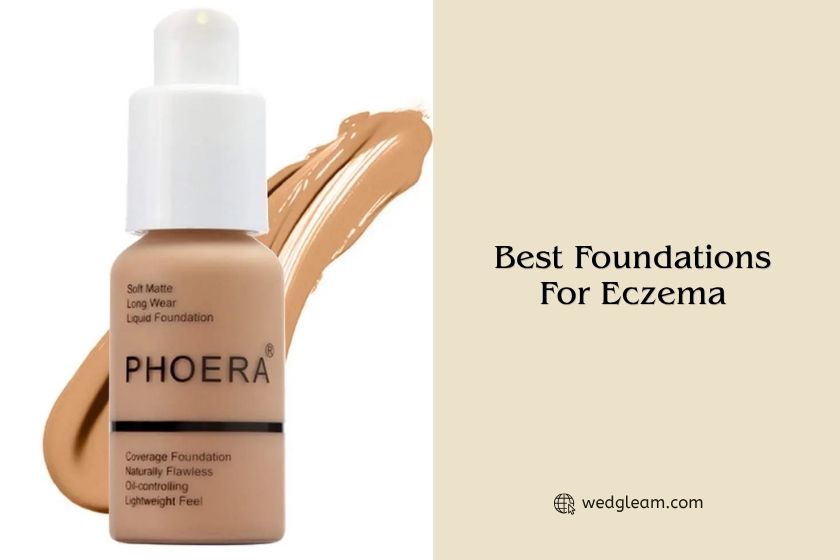
Finding the Best Foundations For Eczema can feel like a guessing game when your skin reacts to everything. You need products that provide coverage without causing irritation or dryness. These tips help you decide which formulas might work for your sensitive skin needs.
The Winners
1. Tower 28 Foundation with SPF 30

Best for: People needing gentle mineral sun protection daily.
This 2-in-1 formula combines mineral sunscreen with foundation, which simplifies your morning routine. Because it uses non-nano zinc oxide and is fragrance-free, it’s designed specifically for sensitive and blemish-prone skin. It offers light-to-medium coverage that lets your real skin texture show through, rather than masking it.
The inclusion of aloe vera and prickly pear helps soothe the skin while you wear it. This is a great choice if you want to avoid a heavy, cakey feeling during the day. However, this product isn’t for those who require full, heavy-duty coverage for deep skin imperfections, as the finish is meant to be natural and sheer.
Pros
- Contains broad spectrum SPF 30.
- Specifically formulated for sensitive skin.
- Doesn’t leave a white cast.
Cons
- Requires reapplication every 2 hours.
2. RMS Beauty UnCoverup Foundation & Concealer Hybrid

Best for: Those wanting a versatile hybrid cream product.
This hybrid formula works as both a concealer and a light foundation, making it a flexible addition to your bag. Its non-comedogenic ingredients, such as jojoba and castor seed oil, provide a hydrating feel that prevents the makeup from looking dry or flaky. It’s designed to melt into the skin for a soft-focus finish that lasts up to 12 hours.
Because it’s a cream-based product in a pot, it’s easy to tap onto specific red areas or blend out over the whole face. The listing doesn’t mention the product’s dispensing mechanism or the specific skin-feel of its ingredients.
Pros
- Provides a natural, soft-focus finish.
- Resists caking and creasing during wear.
- Free from parabens and sulfates.
Cons
- Cream pots require manual application.
3. Aneley Mineral Foundation

Best for: Users seeking organic and vegan ingredient lists.
This foundation is made with 90% organic ingredients, including aloe, chamomile, and shea butter. Its lightweight, creamy texture is intended to feel like you aren’t wearing makeup at all while still providing full coverage. It functions as a moisturizer and skin care product, which can be helpful if your eczema-prone skin needs extra hydration.
The formula is free from harsh chemicals and parabens, which is ideal if you’re strictly avoiding synthetic additives. The listing doesn’t mention specific allergy risks or brand preferences.
Pros
- Contains 90% organic, vegan ingredients.
- Acts as a moisturizer and sunblock.
- Covers redness and hyper-pigmentation effectively.
Cons
- Contains botanical extracts that may irritate some.
4. Clinique Superbalanced Oil Free Liquid Foundation Makeup

Best for: Those who need a proven, allergy-tested formula.
This foundation is specifically allergy tested and non-acnegenic, making it a reliable choice for those with reactive skin. It’s designed to work across a range of skin types, from dry to oily, by providing moderate, balancing coverage. The goal is a natural finish that keeps the complexion looking even without feeling heavy.
Pros
- Allergy tested for sensitive skin.
- Non-acnegenic formula prevents pore clogging.
- Hydrating finish for various skin types.
Cons
- No specific organic certifications listed.
Choosing the Best Foundation for Eczema
Ingredient Sensitivity
When you have eczema, your skin barrier is often compromised. Look for fragrance-free and non-comedogenic labels, as these reduce the risk of irritation and clogged pores. Avoid products with complex chemical preservatives if you have had reactions before. Prioritize formulas with soothing agents like aloe or calming oils that help keep the skin hydrated throughout the day.
Coverage vs. Weight
Eczema patches can become flaky if you use heavy, matte foundations. Choose a buildable formula that allows you to apply more only where you need it, rather than covering your whole face in thick pigment. A natural, dewy finish is usually better than a matte one, as it hides dryness better and looks more like real skin.
Sun Protection
Many foundations now include SPF, which is a great way to protect sensitive skin from UV damage without adding an extra layer of product. Ensure the sunscreen is mineral-based (like zinc oxide) rather than chemical, as mineral options are generally better tolerated by reactive skin. Remember that foundation-based SPF is only effective if applied in sufficient amounts.
Versatility
Think about whether you want a single product for your whole face or something that can double as a concealer. Cream-based hybrids are excellent for spot-treating red, inflamed patches without needing to apply foundation everywhere. Consider your daily routine and whether you prefer using your fingers, a brush, or a sponge to apply your makeup.
Narrow your choice by checking the ingredient list against known triggers and deciding on your preferred level of coverage. Always consider the finish and how it interacts with your specific skin texture.
Mistakes to Avoid When Buying Eczema-Friendly Foundation
Ignoring Ingredient Lists
The most common mistake is failing to read the full ingredient list. Even products labeled “natural” can contain botanical extracts that trigger eczema flares. Always check for known allergens before you commit. If you have a history of reacting to specific oils or plant-based ingredients, steer clear of products that highlight them as key features.
Prioritizing Full Coverage
Many buyers seek heavy, full-coverage foundations to hide redness. However, thick makeup can settle into dry patches and make skin texture look worse. Instead, prioritize breathable formulas that even out the tone without masking your skin. If you need more coverage, it’s better to use a thin layer of foundation and a separate, gentle concealer on spots.
Overlooking Skin Prep
Buying a great foundation won’t matter if your skin isn’t prepped correctly. Eczema-prone skin needs a good moisturizer as a base. Don’t assume the foundation will provide all the hydration you need. Applying a gentle, non-irritating moisturizer before your makeup is key to preventing the product from looking cakey or highlighting dry, flaky areas.
Buying Based on Trends
It’s easy to get caught up in popular beauty trends, but your skin needs consistency. Avoid buying a foundation just because it’s popular if it contains fragrances or heavy silicones that your skin dislikes. Stick to products that are dermatologist-tested or specifically formulated for sensitive skin to minimize the risk of a reaction.
Focus on the ingredients that work for your unique needs rather than the hype. Taking the time to understand your skin’s reaction to different textures will help you avoid products that cause discomfort.
FAQ
Can I wear foundation if I have an active eczema flare?
It’s often best to let your skin breathe during an active flare-up. If you must wear makeup, choose a gentle, mineral-based formula that’s free from fragrance and harsh chemicals to avoid further irritation.
How do I remove foundation without irritating my skin?
Use a gentle, non-stripping cleanser or micellar water designed for sensitive skin. Avoid rubbing or scrubbing your face with harsh towels, as this can damage your skin barrier and worsen eczema patches.
Conclusion
The best foundation for eczema is one that balances soothing, skin-loving ingredients with the coverage you need. By focusing on fragrance-free, mineral-based, or allergy-tested formulas, you can achieve a natural look without triggering your skin.
Final Thoughts
Finding the right match takes a little patience, but your skin will thank you for the extra care. Don’t be afraid to ask for a sample at the beauty counter before you commit to a full bottle. It’s the easiest way to ensure your complexion stays calm, comfortable, and beautifully hydrated all day.
