
Last Updated on September 9, 2026
Planning your wedding is exciting, but creating the perfect seating chart can feel overwhelming. You want your guests to enjoy the day, connect with each other, and feel comfortable.
Choosing the right seating arrangement isn’t just about filling seats—it’s about shaping the experience. In this guide, you’ll discover simple, effective tips to help you design a seating chart that keeps everyone happy and makes your big day run smoothly.
Keep reading, and you’ll find out how to turn a tricky task into an easy, stress-free part of your wedding planning.
Factors To Consider
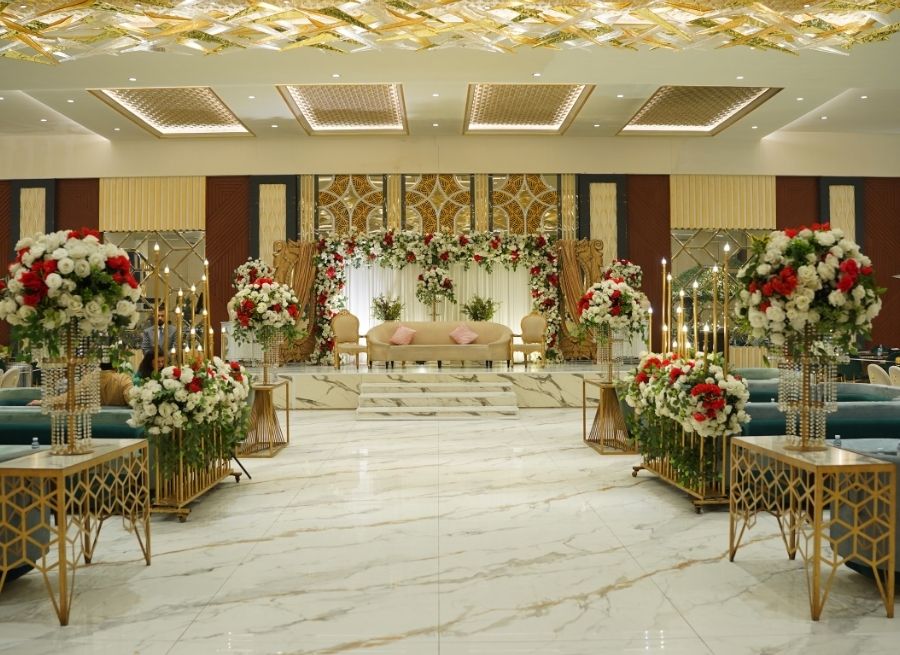
Choosing the right seating chart can make your wedding day smoother. It helps guests feel comfortable and enjoy the celebration. Several key factors can guide you in creating a perfect seating plan.
These factors help balance space, relationships, and guest needs. Start by understanding the size of your guest list. Then, consider the layout of your venue. Think about how guests know each other. Finally, keep in mind any special accessibility needs.
Guest List Size
The number of guests affects your seating choices. A small list allows for more flexible arrangements. A large list needs careful planning to fit everyone. Count your guests accurately to avoid last-minute changes. The seating chart should match the total guest number exactly.
Venue Layout
Know the shape and size of your venue. Check where tables can be placed for easy movement. Some venues have round tables, others use long ones. Space between tables is important for comfort. Make sure your seating plan fits the venue well.
Guest Relationships
Group people who know each other. Keep close friends and family together. Avoid seating people who may not get along. Consider mixing guests with similar interests. This creates a friendly and relaxed atmosphere.
Accessibility Needs
Think about guests with special needs. Place elderly or disabled guests near exits or restrooms. Ensure clear paths for wheelchairs or walkers. Avoid crowded or hard-to-reach spots. This shows care and respect for all guests.
Popular Seating Chart Styles
Choosing the right seating chart style can shape the entire wedding day experience. It helps guests feel comfortable and enjoy the celebration. Different styles offer unique ways to organize guests and create a welcoming atmosphere. Understanding popular seating chart styles can guide you to pick the best fit for your big day.
Traditional Seating
Traditional seating arranges guests by table assignments. Each guest gets a specific seat. This style keeps order and avoids confusion. It works well for formal weddings. Family and friends sit together, creating a cozy feeling. Clear name cards guide guests to their spots.
Family-style Seating
Family-style seating groups guests by their relationships. Tables are filled with close family and friends. This style encourages conversation and bonding. It feels warm and inviting. Guests often share dishes and stories. Perfect for couples who want a homey vibe.
Mixed Seating
Mixed seating combines assigned and open seating. Some tables are reserved, while others are free to choose. This style adds flexibility and fun. It helps guests mingle with new people. Ideal for couples who want both order and freedom. It keeps the party lively.
Open Seating
Open seating allows guests to sit anywhere they like. No assigned seats or tables. It creates a relaxed and casual atmosphere. Guests choose their own spot on arrival. Best for small, informal weddings. This style encourages spontaneous conversations and new friendships.
Tools And Templates
Choosing the right tools and templates can make planning your wedding seating chart easier. These resources help organize guests and avoid confusion on the big day. Using the right tool saves time and reduces stress.
Digital Seating Apps
Digital seating apps let you arrange guests on a virtual chart. You can drag and drop names to different tables. Some apps allow you to add notes about guests’ preferences. These tools often include guest list management too. Many apps offer free trials or basic versions to test.
Printable Templates
Printable templates provide a simple way to plan your seating. You can write guest names by hand or use a computer to fill in details. These templates come in many styles and layouts. Print them multiple times to try different seating plans. They are easy to use and work well for small weddings.
Custom Designs
Custom seating charts add a personal touch to your wedding. You can hire a designer or create your own with design software. Custom charts match your wedding theme and colors. They can include photos, names, and creative graphics. These designs make your seating chart a beautiful part of your decor.
Tips For Assigning Seats
Assigning seats at a wedding can feel tricky. The goal is to make everyone comfortable and happy. Careful planning helps guests enjoy the event and talk to people they know. Here are some tips to guide you through the seating process.
Balancing Social Dynamics
Think about who gets along well and who does not. Place friends and friendly colleagues together. Avoid seating guests who have had past issues near each other. Mix people who share interests to spark conversations. Keep groups balanced to prevent any one table from feeling isolated.
Seating Couples And Families
Seat couples side by side to make them feel relaxed. Families usually want to sit close, so keep them together. Young children often do better near their parents. Couples who don’t know many others can be placed with friends or family. This helps everyone feel included.
Managing Conflicts
Separate guests who do not get along. Place them at different tables or far apart. If you are unsure about any tension, ask a trusted friend for advice. Avoid forcing guests to sit next to people they dislike. A peaceful seating chart keeps the mood positive.
Considering Age Groups
Group guests by age to help conversations flow. Older guests may prefer quieter tables. Younger guests might enjoy lively spots near the dance floor. Kids can have their own table with activities. This helps everyone have a better experience.
Timing And Execution
Timing and execution are key parts of creating a wedding seating chart. The right timing helps avoid stress and confusion. Proper execution ensures guests find their seats easily. Planning ahead keeps everything smooth on the big day.
When To Create The Chart
Create the seating chart after you receive all RSVPs. This usually happens two to three weeks before the wedding. Start planning earlier by grouping guests by relationships. This makes finalizing the chart faster. Avoid making the chart too early to prevent constant changes.
Updating The Chart
Keep the chart flexible until one week before the wedding. Last-minute changes happen often. Make sure to update the chart as new information arrives. Use software or a simple spreadsheet to track changes. Print the final version clearly and share it with the venue.
Communicating Seating To Guests
Display the seating chart at the entrance of the reception. Use clear labels and easy-to-read fonts. Provide a staff member to help guests find their seats. Avoid confusion by placing escort cards on a table. This small step helps guests feel welcomed and organized.
Creative Seating Chart Ideas
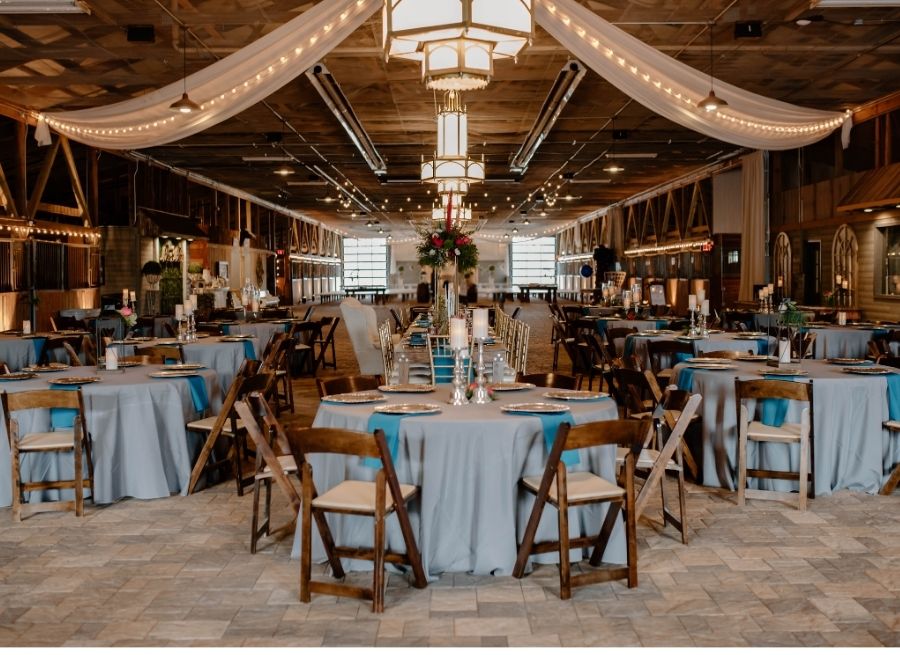
Creative seating charts make weddings more fun and memorable. They help guests find their seats easily. Unique ideas add charm and personality to the wedding decor. They also create a welcoming atmosphere for everyone.
Themed Displays
Themed displays match the wedding style or couple’s interests. Use maps for a travel theme or books for a literary vibe. Flowers and greenery work well for garden weddings. Signs with vintage frames fit rustic celebrations. These displays catch the eye and guide guests smoothly.
Interactive Seating
Interactive seating charts let guests engage with the display. Puzzle pieces, magnetic boards, or chalkboards invite participation. Guests enjoy finding their names and moving pieces. This style creates excitement and encourages mingling. It makes the seating process lively and unique.
Personalized Place Cards
Place cards with personal touches add warmth to the table. Include names, fun facts, or small photos. Handwritten cards feel thoughtful and special. Use creative holders like mini frames or natural elements. Personalized cards help guests feel valued and welcomed.
Frequently Asked Questions
What Is The Best Way To Start A Wedding Seating Chart?
Begin by listing all guests and grouping them by relationships. Consider family, friends, and coworkers to create a clear overview.
How Do I Handle Difficult Family Seating Arrangements?
Place family members with known conflicts at separate tables. Use neutral zones to reduce tension and keep the mood light.
Should Kids Have Their Own Wedding Tables?
Kids often enjoy their own tables with age-appropriate activities. This helps adults relax and kids stay entertained.
How Many Guests Should Sit At Each Table?
Aim for 6 to 10 guests per table for easy conversation. Smaller tables feel cozy, while larger tables maximize space.
What Tools Can Help Organize A Wedding Seating Chart?
Use digital tools or apps designed for seating charts. They simplify changes and let you visualize the layout clearly.
Conclusion
Choosing the right wedding seating chart makes your day smooth and fun. Think about guest relationships and table size. Keep it simple but thoughtful. This helps everyone enjoy the celebration. Don’t rush the process; take your time to plan. A good seating chart brings people closer and creates happy memories.
Your wedding will feel warm and welcoming. Enjoy the special moments with your loved ones.
