
Last Updated on September 9, 2026
Planning your wedding ceremony can feel overwhelming, especially when it comes to deciding how to share the details with your guests. Your wedding ceremony program is more than just a schedule—it sets the tone, guides your loved ones, and makes your special day run smoothly.
But with so many formats to choose from, how do you pick the one that fits your style and needs? This guide breaks down wedding ceremony program formats in simple terms, so you can find the perfect match for your big day.
Keep reading to discover how to create a program that feels just right for you and leaves a lasting impression on everyone who attends.
Classic Wedding Program
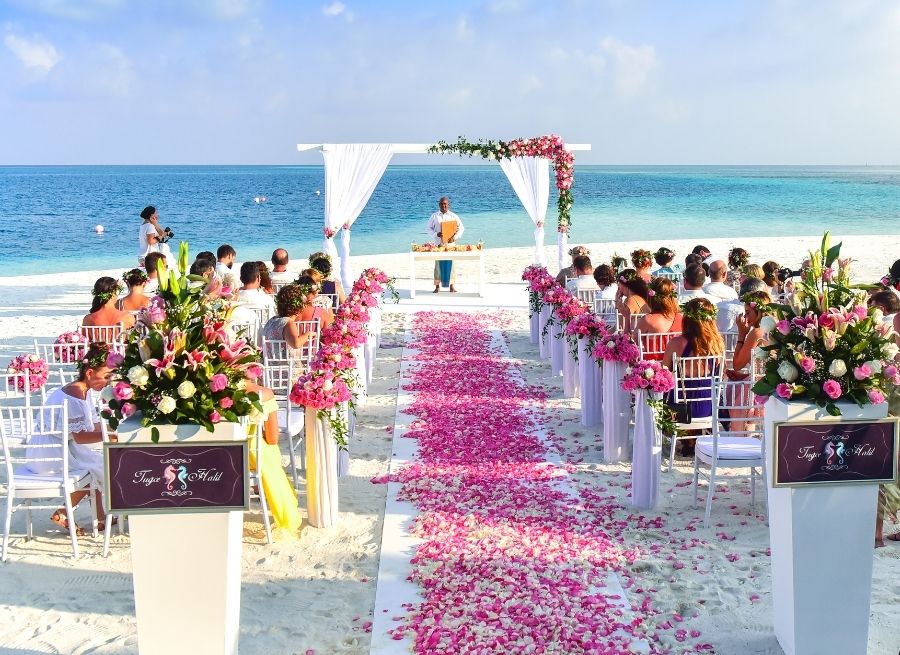
The classic wedding program is a timeless choice. It follows a clear, simple structure that guests easily understand. This format highlights key moments of the ceremony. It helps everyone know what to expect and when. The classic style suits formal and traditional weddings well.
Traditional Order Of Events
The ceremony usually starts with the processional. This is when the wedding party walks down the aisle. Next comes the welcome or opening remarks by the officiant. Then, the exchange of vows and rings takes place. After that, the officiant pronounces the couple married. The ceremony ends with the recessional, where the couple walks back up the aisle.
Roles And Participants
The classic program lists all key participants. This includes the officiant, bride and groom, and their parents. Bridesmaids and groomsmen are also named. Sometimes, the flower girl and ring bearer are mentioned. Each role is important and helps the ceremony flow smoothly.
Sample Program Layout
Modern Wedding Program
The modern wedding program breaks from tradition with fresh, fun ideas. It fits couples who want a relaxed and unique ceremony. This style welcomes personalization and creativity. Couples can express their story and style clearly.
Modern programs often have simple layouts with clear steps. They focus on making guests feel included and informed. The tone is usually warm and friendly, not formal or stiff. This approach suits outdoor weddings, casual venues, or small gatherings.
Personalized Elements
Modern programs highlight personal touches that tell the couple’s story. They may include favorite quotes, song lyrics, or fun facts. Photos of the couple or their families add a warm feel. Some programs show the order of events with little notes or jokes. These details make the ceremony feel closer and more special.
Casual Ceremony Flow
The order of events in modern programs is simple and easy to follow. It may skip some old traditions to keep the mood light. Guests see who will speak, sing, or perform next. The flow feels natural and relaxed, not too strict. This style helps everyone enjoy the moment without stress.
Creative Design Ideas
Design plays a big role in modern wedding programs. Couples pick colors and fonts that match their theme. Some use handmade paper, ribbons, or unique shapes. Digital programs on tablets or phones are also popular. Creative layouts with icons or illustrations make programs fun to read. These designs reflect the couple’s personality and style.
Religious Wedding Program
A religious wedding program guides guests through the spiritual journey of the ceremony. It highlights key rituals and prayers that honor the couple’s faith. These programs offer a respectful way to share sacred moments with friends and family.
Each religion has unique traditions. The program helps explain these to all attendees. It creates a meaningful experience, blending faith and celebration.
Common Rituals Included
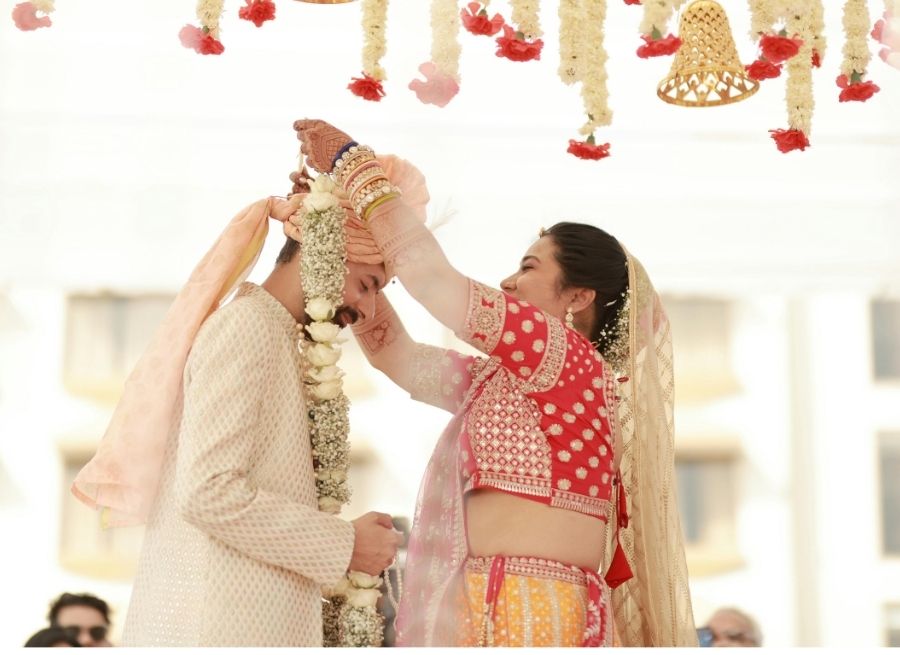
Religious wedding programs often list important rituals. These may include blessings, readings, and symbolic acts. For example, a Christian ceremony might feature the exchange of vows and rings. Jewish weddings may include the breaking of the glass. Hindu ceremonies often highlight the seven sacred steps. These rituals show the spiritual commitment of the couple.
Adapting To Different Faiths
Every faith has specific customs to honor. Programs can be adjusted to fit each religion’s needs. They may include prayers, hymns, or sacred texts. This helps all guests understand the ceremony’s flow. Interfaith weddings blend traditions, creating a unique program. This respects both partners’ beliefs and families.
Respecting Tradition With Style
Religious programs balance tradition and personal style. They often use elegant fonts and symbols from the faith. Colors and designs reflect the couple’s culture. Programs remain simple but meaningful. This shows respect for the religion while adding a personal touch. Guests appreciate the thoughtful presentation.
Destination Wedding Program
A destination wedding program brings unique charm and challenges. It blends the beauty of a new place with your special day. Planning the program needs care to fit the location and culture. It helps guests understand the flow and enjoy every moment.
Here are key points to consider for a smooth and memorable destination wedding program.
Adjusting For Location
Choose a format that suits the venue and weather. Outdoor weddings may need shorter ceremonies to avoid heat or rain. Include clear directions and maps for guests unfamiliar with the area. Mention dress code advice based on climate and terrain. Keep the program simple and easy to follow for all ages.
Incorporating Local Customs
Add local traditions to honor the culture of the destination. Explain their meaning briefly in the program to educate guests. This creates a richer experience and shows respect for the host location. Examples include music, rituals, or symbolic acts. Use local language phrases with translations for a personal touch.
Logistics And Timing Tips
Plan timing carefully to handle travel delays or time zone changes. Start events later in the day if guests arrive on the wedding day. Include buffer time between activities to avoid rushing. Communicate transportation details clearly in the program. Provide contact info for assistance with any issues during the event.
Virtual Wedding Program
A virtual wedding program brings loved ones together online. It allows friends and family to join the ceremony from anywhere. This format suits couples with guests far away or during special circumstances.
It blends tradition with technology. This way, everyone can share the joy and witness the vows live.
Technology Setup
Choose a reliable video platform like Zoom or Google Meet. Test your internet connection before the event. Use good-quality microphones and cameras for clear sound and video. Have a backup device ready in case of technical problems. Assign a tech helper to manage the stream and solve issues fast.
Engaging Remote Guests
Send the program schedule to guests ahead of time. Encourage guests to dress nicely and prepare their space. Include moments where remote guests can participate, such as virtual cheers or chats. Share photos and videos during the ceremony to keep everyone involved. Use a host to welcome and guide guests through the event.
Timing And Interaction
Keep the ceremony short and simple to hold attention. Plan breaks for interaction, like virtual toasts or Q&A. Use chat or reaction features to capture guests’ feelings instantly. Coordinate with speakers to avoid talking over each other. End with a group photo screenshot or a shared song to close the event warmly.
Diy Wedding Program Tips
Creating your own wedding ceremony program can add a personal touch to your special day. It also helps you save money and control every detail. Simple steps and careful planning make the process smoother. Below are tips to help you design a clear and beautiful program.
Choosing The Right Format
Pick a format that fits your ceremony style. A single page works well for short events. Booklet-style suits longer or more detailed ceremonies. Consider the size that guests can easily hold. Think about how many pages you need for all information. Balance detail and simplicity to keep guests engaged.
Design And Printing Advice
Use easy-to-read fonts and a simple layout. Stick to two or three colors to avoid clutter. White or light backgrounds improve readability. Check the spacing between lines and sections. Print a sample copy before the final run. Choose quality paper for a professional feel. Use local printers for faster turnaround and support.
Common Mistakes To Avoid
Don’t overload the program with too much text. Avoid tiny fonts that are hard to read. Skip complicated designs that distract from content. Check all names and times carefully for errors. Don’t forget to include a thank-you note or special message. Avoid last-minute printing to prevent mistakes and stress.
Customizing Your Program
Customizing your wedding ceremony program makes it truly yours. It reflects your story, style, and gratitude. Personal touches can make the program memorable for you and your guests. Simple changes create a meaningful keepsake.
Adding Personal Stories
Share short stories about how you met or your journey together. These stories create a warm connection with your guests. Keep them brief and heartfelt. Personal stories add emotion and uniqueness to your program.
Including Special Thank Yous
Thank the people who helped with your wedding or supported your relationship. Mention family, friends, or anyone special. A thank you section shows appreciation and respect. It makes others feel valued and part of your day.
Using Photos And Graphics
Include photos of you as a couple or your families. Choose simple graphics that match your wedding theme. Pictures make the program visually appealing and easy to follow. They also help guests feel more connected to your celebration.
Distribution And Presentation
How you share and show your wedding ceremony program matters a lot. It guides guests smoothly through the event. Good distribution and presentation keep everyone informed and involved. Simple steps make your program easy to find and use.
When And How To Hand Out
Give programs just before guests enter the ceremony space. This helps them follow the order without confusion. Ushers or wedding helpers can hand them out. Another way is to place programs on each seat. This lets guests pick them up easily.
Creative Display Ideas
Try unique ways to show your programs. Use a decorated basket at the entrance. Stand a wooden crate with programs inside. Hang a string with clips and attach programs for a charming look. Add flowers or signs to match your wedding style.
Digital Vs. Printed Options
Printed programs offer a classic and easy-to-handle choice. Guests can keep them as a memory. Digital programs save paper and are eco-friendly. Share them via email or a wedding app. Some couples use both to cover all guests’ needs.
Frequently Asked Questions
What Is A Wedding Ceremony Program Format?
A wedding ceremony program format is a layout that shows the order of events. It helps guests follow the ceremony easily. Each format varies based on tradition and couple preference.
How Do I Choose The Right Wedding Program Format?
Consider your ceremony style and key events first. Then pick a format that fits the tone and length. Simple or detailed, it should guide guests smoothly.
What Details Should A Wedding Program Include?
Include names of the couple, date, time, and location. List the order of events and participants too. Keep information clear to avoid guest confusion.
Can Wedding Program Formats Be Customized?
Yes, programs can be personalized with colors, fonts, and wording. Custom touches reflect the couple’s style and theme. It makes the program unique and memorable.
Why Is A Wedding Ceremony Program Important?
Programs help guests understand what happens and when. They reduce confusion and make the event flow well. Guests feel more involved and enjoy the day.
Conclusion
Choosing the right wedding ceremony program format makes your day smooth. Simple designs help guests follow the event easily. Clear programs reduce confusion and keep everyone engaged. Think about your style and ceremony flow. Each format offers a unique way to share your story.
A well-planned program adds to the joy of your celebration. Your guests will appreciate the thought and care you put in. Planning ahead means a memorable and happy wedding day.
