
Last Updated on August 27, 2026
Your wedding dress is stunning, but have you thought about the perfect veil to complete your look? Choosing the right veil can make all the difference in how you feel on your big day.
It’s not just about matching fabric or length—it’s about finding a veil that highlights your style and brings out the beauty of your dress. In this guide, you’ll discover simple tips to pick a wedding veil that fits your dress perfectly, so you’ll walk down the aisle with confidence and grace.
Keep reading to find out how to make your veil choice effortless and flawless.
Types Of Wedding Veils
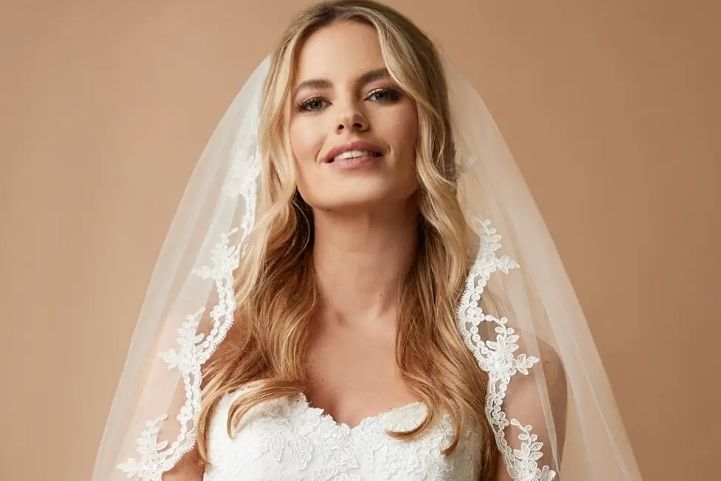
Choosing the right wedding veil helps complete your bridal look. Veils come in many styles and lengths. Each type adds a unique touch to your dress. Understanding these styles makes it easier to find a perfect match.
Veils vary from short and simple to long and dramatic. The choice depends on your dress style and personal taste. Let’s explore the main types of wedding veils.
Birdcage And Blusher Veils
Birdcage veils are short and cover only part of your face. They create a vintage, chic look. Blusher veils are soft and light, often worn over the face during the ceremony. Both add charm without overwhelming your dress.
Fingertip And Elbow Length Veils
Fingertip veils reach your fingertips when your arms are down. They offer a balanced look that suits many dress styles. Elbow length veils are shorter and end around your elbows. These veils add softness while keeping the focus on your gown.
Chapel And Cathedral Veils
Chapel veils extend to the floor and match formal wedding dresses. They add elegance and flow beautifully behind you. Cathedral veils are the longest, trailing far beyond your dress. Perfect for grand ceremonies, they create a stunning, dramatic effect.
Matching Veil To Dress Style
Choosing a veil that matches your wedding dress style is key. The veil should highlight the dress, not hide it. The right veil adds charm and balance. Different dress shapes call for different veil styles.
Veils For Ball Gowns
Ball gowns are big and full. They look great with long, flowing veils. Cathedral or chapel veils match the grand look. Lace or embroidered edges add softness. Avoid short veils that get lost in the skirt.
Veils For A-line Dresses
A-line dresses flare gently from the waist. Simple veils work best here. Fingertip or elbow-length veils keep things elegant. Light tulle or soft netting complements the shape. Avoid heavy or very long veils that overwhelm the dress.
Veils For Mermaid And Trumpet Styles
Mermaid and trumpet dresses hug the body closely. Choose veils that add balance. Waist-length or shoulder veils keep the look sleek. Avoid veils that cover the dress’s fitted silhouette. Soft, sheer fabrics enhance the elegant lines.
Veils For Sheath Dresses
Sheath dresses are slim and simple. Short or mid-length veils highlight the clean lines. Blusher veils create a romantic touch. Avoid large, dramatic veils that hide the dress’s shape. Light fabrics keep the look modern and fresh.
Fabric And Embellishments
Choosing the right fabric and embellishments for your wedding veil is key. The veil should blend smoothly with your dress. It should not look too different or out of place. Fabric and details help create a balanced look. They add charm and highlight your dress’s best parts.
Tulle And Lace Options
Tulle is a popular choice for veils. It is light and soft. It flows beautifully and feels comfortable. Lace veils add a touch of romance. They work well with lace dresses or vintage styles. Pick a fabric that matches your dress fabric closely. This makes the whole outfit look connected.
Beading And Embroidery
Beading can add sparkle to your veil. It catches light and draws attention. Embroidery adds texture and detail. Both should complement your dress’s design. Avoid heavy beading if your dress is already very detailed. Small touches are often more elegant and balanced.
Matching Veil Details To Dress Features
Look at your dress’s key features. If it has floral lace, choose a veil with similar lace patterns. If your dress has a simple finish, a plain veil may work best. Match colors carefully, especially if your dress is off-white or ivory. The veil should enhance, not overpower, your dress.
Veil Length And Silhouette
Choosing the right veil length is a key step in matching your veil with your wedding dress. The veil’s length and silhouette should complement the dress’s style and shape. Veils come in many lengths, from short and sweet to long and dramatic. Each length creates a different look. Your dress’s silhouette also affects which veil suits you best. Consider how the veil flows with your dress to create harmony.
Short Veils For Casual Looks
Short veils often end above the shoulders or at the chin. They suit casual or simple dresses well. These veils add a soft touch without overwhelming the outfit. Short veils work great for outdoor or daytime weddings. They keep the look light and easy. Plus, they are easier to manage during the day.
Long Veils For Formal Elegance
Long veils reach the floor or extend beyond the dress train. They add a sense of elegance and tradition. Long veils suit formal gowns with intricate details. They create a graceful, flowing look. These veils can make the bride feel like royalty. They often become a focal point in photos.
Balancing Veil Length With Dress Train
Dress trains come in different lengths too. Match the veil length with the train for balance. A long train pairs well with a cathedral or chapel veil. Short trains look best with fingertip or elbow-length veils. Avoid veils much longer than the train. This keeps the look neat and polished. The veil and train should flow smoothly together.
Color Coordination
Choosing the right veil color is key to a beautiful wedding look. The veil should blend smoothly with your dress. Color coordination creates harmony and highlights your overall style. It is more than just picking white. Subtle differences in shade can change the whole appearance.
Matching Veil Color To Dress Shade
Start by comparing the veil color to your dress. Hold the veil next to the fabric under natural light. This helps spot any color mismatches. A veil too bright or dull can distract from your dress. Select a shade that feels like part of the dress itself.
Many dresses have unique tones. Ivory, cream, or blush shades appear often. Find a veil that matches these hues exactly. This creates a soft, elegant look. Avoid veils that are too white or yellowish against your dress.
Off-white Vs. Pure White Veils
Off-white veils suit dresses with warm undertones. They add warmth and depth to your look. Pure white veils work best with cool-toned dresses. They give a crisp, bright finish. Pick the veil shade that complements your dress’s undertone for balance.
Check the color under daylight. Artificial light can change how colors appear. Choose the veil that looks natural and seamless with your dress.
Considering Skin Tone And Hair Color
Skin tone affects how veil colors look on you. Warm skin tones match well with ivory or cream veils. Cool skin tones shine with pure white or light gray veils. This choice enhances your natural glow.
Hair color also influences veil selection. Blonde hair pairs nicely with lighter veils. Dark hair can handle richer shades or pure white veils. This contrast frames your face beautifully.
Test different veil colors near your face. Notice which one makes your skin and hair pop. Choose the veil that highlights your best features.
Veil Placement And Hairstyle
Choosing the right veil depends a lot on where and how you wear it. Veil placement affects your whole look. It also works with your hairstyle to create harmony. The veil should sit well and stay secure all day. This section explains veil attachment points and which veils suit different hairstyles.
Veil Attachment Points
Veils attach to your hair in several spots. The most common places are the crown, the back, or just above the bun. Each spot gives a different look and feel. Attaching at the crown adds height and drama. Securing the veil lower feels softer and more romantic. Choose a spot that fits your hair style and comfort. Use combs, pins, or clips to keep the veil safe.
Veils For Updos
Updos show off your face and neck. They work well with longer veils that flow down your back. High buns or chignons hold veils firmly at the base or crown. This keeps the veil from slipping. Shorter veils can tuck neatly under the updo for a classic look. Lace or beaded edges add detail near the updo. Choose a veil that does not cover your hair’s design.
Veils For Loose Hairstyles
Loose hair gives a soft, natural vibe. Veils for loose hair are lighter and shorter. They can attach at the sides or back of your head. Avoid heavy veils that pull your hair down. Simple tulle or fingertip-length veils work best. This style lets your hair shine through. Add subtle clips to keep the veil in place. Loose hairstyles and veils create a gentle, romantic feel.
Practical Tips For Veil Selection
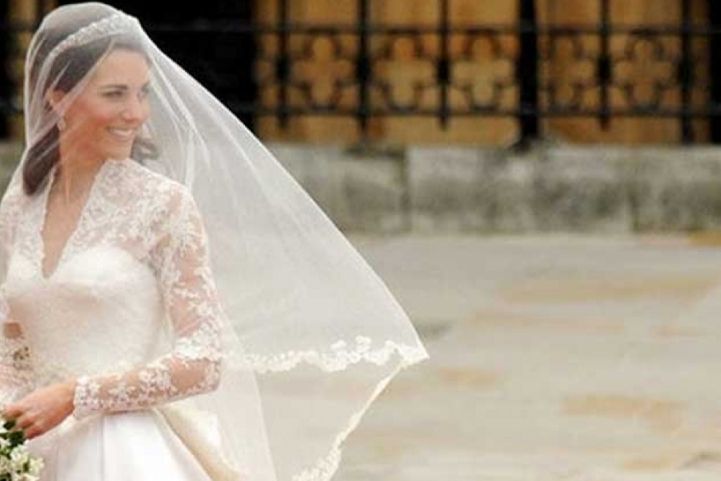
Choosing the right veil can complete your wedding look. Practical tips help make this choice easier and more confident. Consider the style of your dress, your budget, and personal touches. These factors guide you to a veil that fits perfectly with your dress.
Trying Veils With Your Dress
Try different veils with your dress to see how they match. Notice how the veil’s length and fabric blend with your gown. Some veils add elegance, while others keep things simple. Try veils in natural light for the best view. Bring a friend or your stylist for honest feedback.
Budget Considerations
Set a clear budget for your veil before shopping. Veils come in many price ranges depending on material and design. Choose a veil that fits your budget without sacrificing style. Simple veils can look stunning and cost less. Keep some money for alterations if needed.
Customizing Your Veil
Customizing allows you to add unique touches to your veil. Add lace, beads, or embroidery that match your dress details. Choose a veil length that suits your ceremony and dress style. Customizing helps your veil feel special and personal. Work with a designer or seamstress for best results.
Frequently Asked Questions
What Length Veil Suits Different Wedding Dress Styles?
Short veils work well with casual or modern dresses. Long veils add elegance to formal or traditional gowns. Match the veil length to your dress style for balance.
How To Match Veil Fabric With Your Wedding Dress?
Choose a veil fabric that feels like your dress fabric. Tulle is common and suits most dresses. Lace veils pair best with lace or detailed gowns.
Can Veil Color Affect The Overall Wedding Look?
Yes, the veil color should match or complement your dress shade. Ivory veils suit ivory dresses, and white veils fit pure white gowns. A mismatch can look odd in photos.
Should Veil Decorations Match Dress Embellishments?
Veil decorations like beads or lace should reflect your dress details. Simple dresses work well with plain veils, while ornate gowns suit decorated veils. This creates a cohesive bridal look.
Conclusion
Choosing the right veil makes your wedding look complete. Match the veil style with your dress shape and fabric. Think about length and details that fit your theme. Keep comfort in mind for your big day. Try different veils before deciding what feels best.
A perfect veil adds charm and confidence. Enjoy this special moment with the veil that suits you. Your dress and veil together tell your unique story. Simple choices lead to beautiful results.
